


What is ChatGPT?
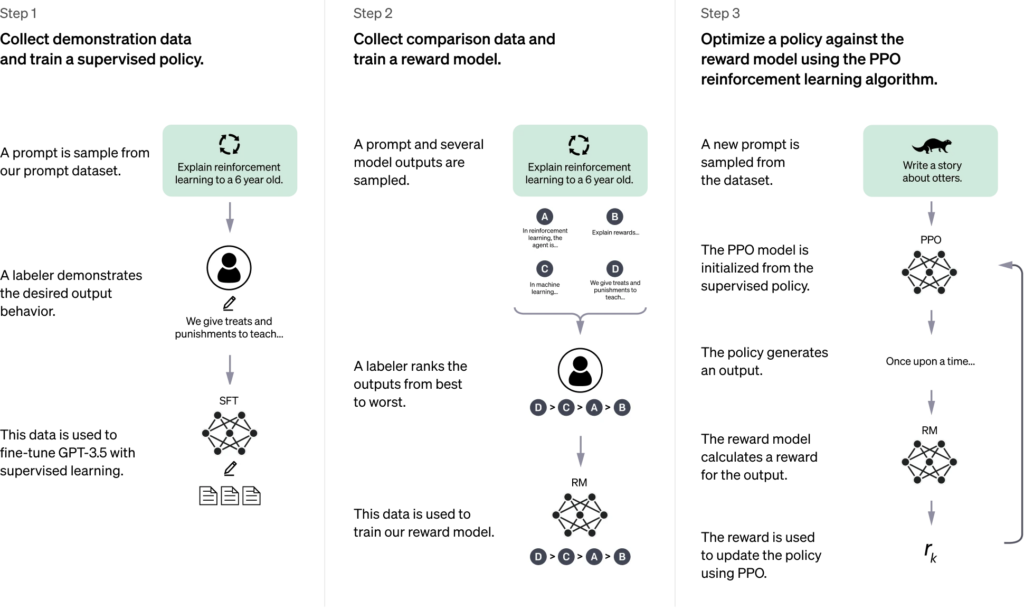
ChatGPT is OpenAI’s conversational AI product that uses large language models to generate and understand text (and in many cases, other media depending on your plan and features). OpenAI regularly updates available models and features through official release notes. (OpenAI Help Center)
OpenAI has also announced retirements of older models from ChatGPT at specific dates, meaning the “model under the hood” can change over time. (OpenAI)
What ChatGPT is great for
- Writing drafts, scripts, emails, proposals
- Summarizing and simplifying complex topics
- Brainstorming strategy and content
- Coding help: ideas, debugging, refactoring
- Building repeatable systems: prompts, SOPs, checklists
Step-by-step: how to get elite results from ChatGPT
Step 1 — Give context like a brief to a top employee
Bad: “Write a blog about AI.”
Good: “Write a blog for Ethiopian tech founders, 1,500–2,000 words, with examples for marketing + automation.”
Step 2 — Ask for structure first, then content
- Outline → approve → expand
This prevents wasted long drafts.
Step 3 — Use constraints
- tone
- length
- audience
- banned words
- must-include points
Step 4 — Force better thinking
Add:
- Give me 3 options.”
- “Challenge weak assumptions.”
- “Add risks and counterarguments.”
Step 5 — Verify
ChatGPT can be wrong. For facts, ask it to provide sources and cross-check important claims.
Limitations you must respect
- It can hallucinate (sound confident but be wrong)
- It can miss recent changes unless you verify
- It can mirror your bias if you don’t ask for alternatives
- It can’t replace legal/medical advice
FAQ
Can ChatGPT replace my team?
No. It reduces labor on drafts and repetitive tasks—your team’s judgment still matters.